Oxford Fabric, Explained: A Buyer's Guide to Specs, Materials and Coatings
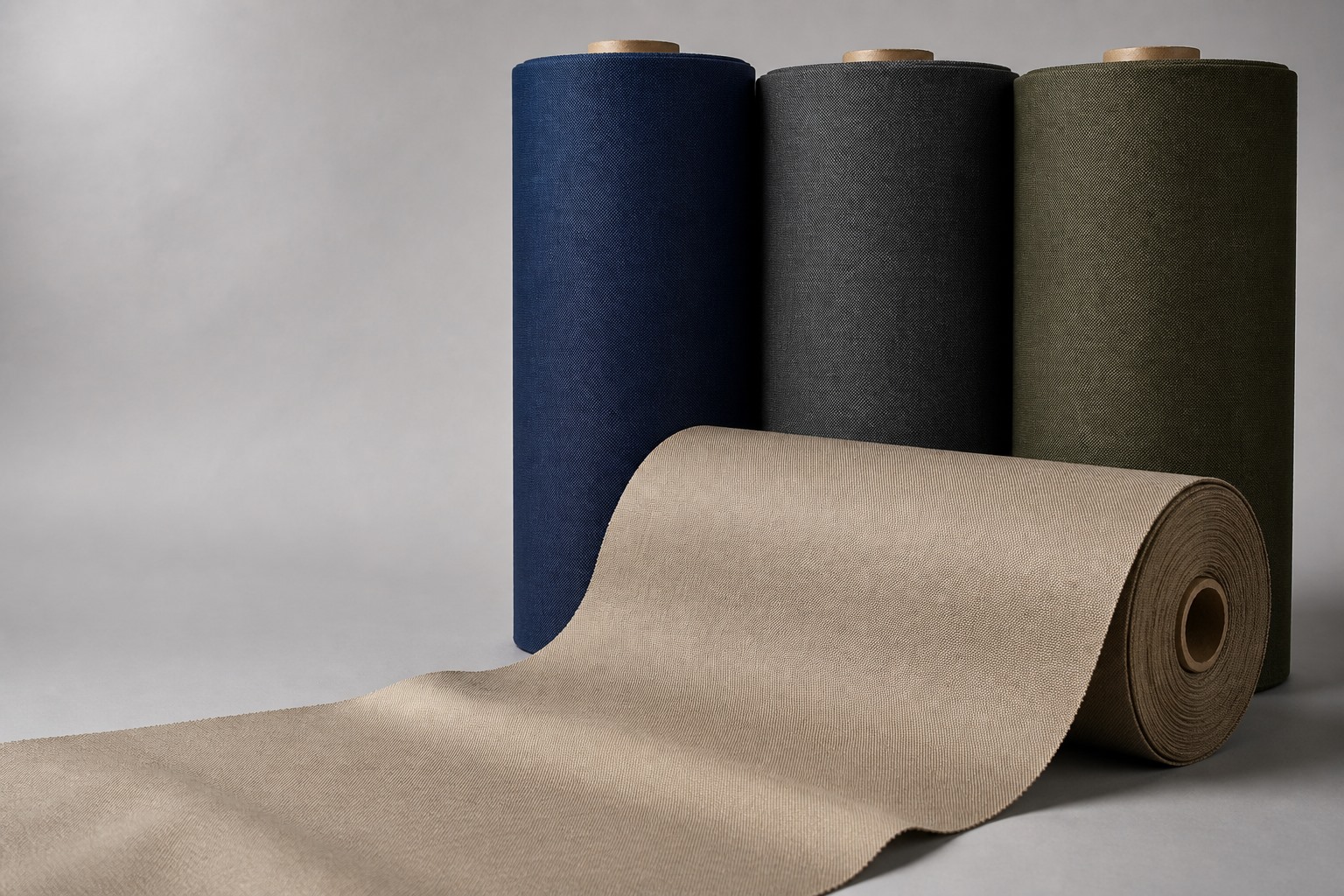
Whether it's the backpack on a commuter's shoulders, the canopy over a garden table, or the tool bag on a job site, oxford fabric is probably part of it. For B2B buyers, oxford is one of the most dependable workhorses in the textile world — but only when the spec is right. This guide covers what oxford fabric is, how denier changes performance, how polyester and nylon differ, and what coatings actually do, so you can spec your next product with confidence.
What Is Oxford Fabric?
Oxford is a woven fabric with a distinctive crosshatch surface, created by interlacing finer warp yarns with heavier weft yarns in a basket-like weave structure. The name points back to England, where the weave first became known as a shirting cloth. Today, industrial oxford is almost always woven from synthetic filament yarns — polyester or nylon — valued for their strength, consistency and predictable cost.
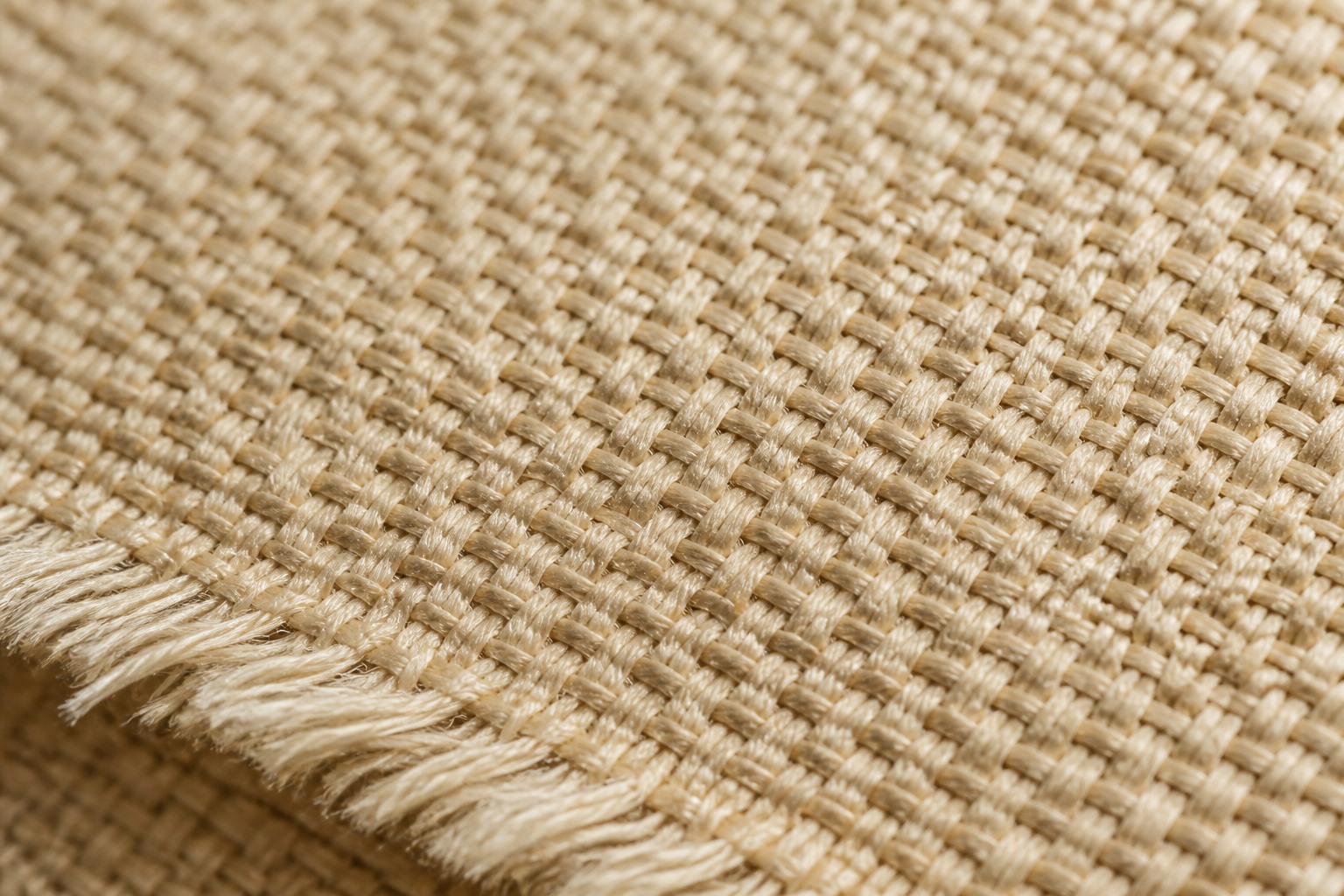
For outdoor and everyday products, oxford's appeal is simple: it packs a lot of strength into a reasonably light, reasonably priced fabric, and it takes coatings and finishes exceptionally well. That combination is why you'll find it in tents, bags, chairs, cushions, umbrellas, covers and countless other cut-and-sew products.
Denier: The First Number to Understand
Denier (D) measures the linear density of a yarn — the weight in grams of 9,000 meters of it. The higher the number, the heavier the yarn. As a rule, heavier yarn produces a denser, stronger, more abrasion-resistant fabric; lower denier means lighter weight, softer drape and lower cost.
One detail worth knowing before you compare quotes: the denier on an oxford spec usually refers to the warp yarn. Constructions such as 600D × 300D or 600D × 600D state warp and weft separately — check which one you're being quoted before you compare two suppliers.
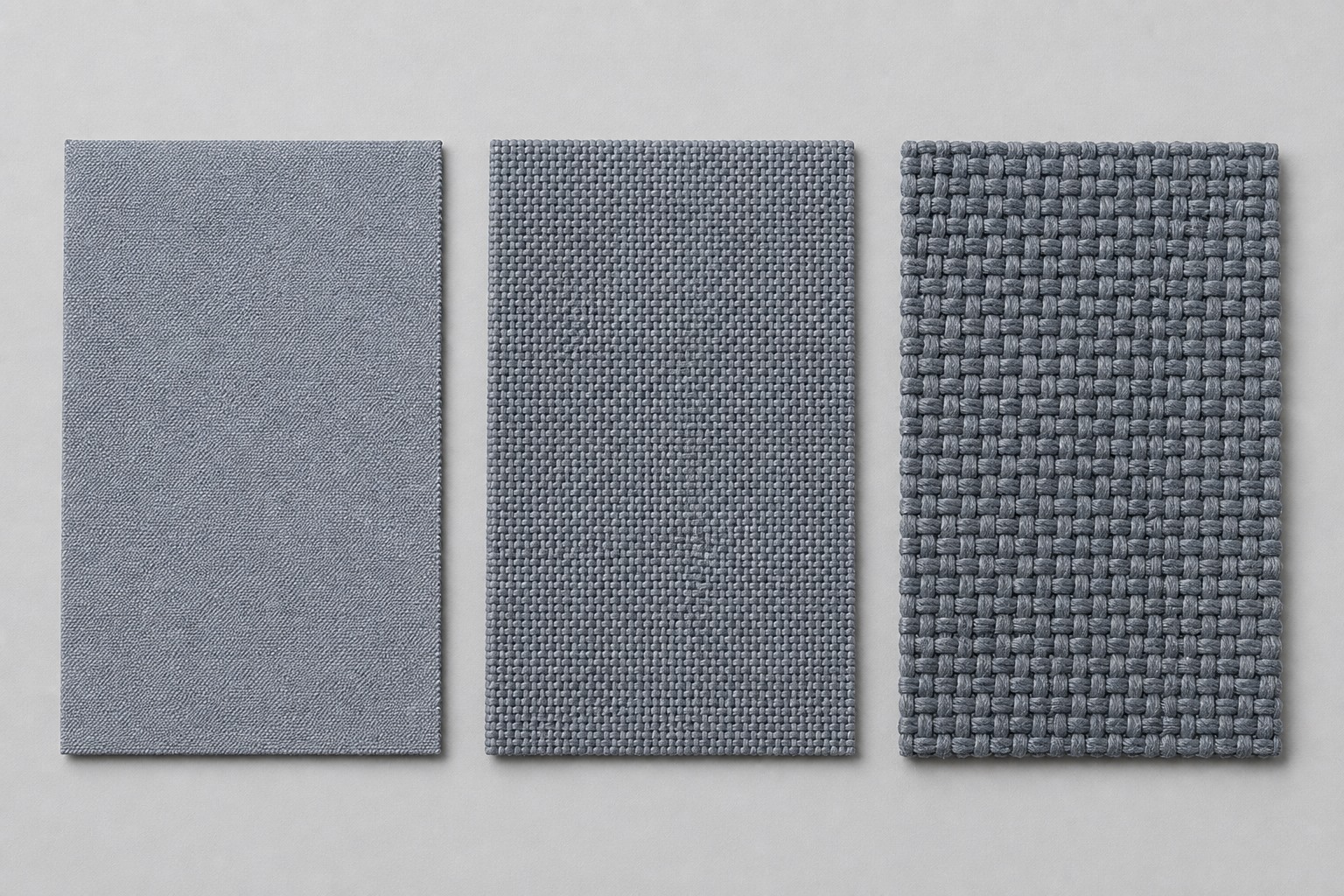
| Denier | Character | Typical Uses |
|---|---|---|
| 300D | Lightweight, fine texture, packable | Light bags, tent inner parts, parasols, light covers |
| 600D | The versatile middle ground — strength, weight and cost in balance | Backpacks, folding chairs, awnings, cushion covers |
| 900D | Denser and noticeably tougher | Tool bags, luggage, heavy chair seating |
| 1200D | Heavy-duty | Work bags, equipment covers, demanding outdoor use |
| 1680D | Top of the standard range — maximum abrasion resistance | Trolley cases, heavy tool bags, industrial covers |
Note that denier alone doesn't set fabric weight: yarn count, weave density and coating all affect the final grams per square meter (gsm). Always specify a target weight as well as a denier.
Polyester or Nylon: Choosing the Base Yarn
Both yarns make excellent oxford fabric — the right choice depends on how the product is used, and what it's allowed to cost.
| Property | Polyester Oxford | Nylon Oxford |
|---|---|---|
| Strength & tear | Strong; slightly lower tear strength at equal denier | Higher tear strength per denier; stands up better to repeated flexing and folding |
| Abrasion | Good | Excellent |
| UV / sunlight | Naturally better resistance; holds color longer outdoors | More vulnerable to long-term UV unless UV stabilizers are added |
| Moisture | Absorbs very little; dries quickly | Absorbs more; can feel softer but heavier when wet |
| Hand feel | Crisper, more stable | Softer, more supple |
| Cost | Lower | Higher |
| Best suited to | All-round outdoor use, bags, covers, price-sensitive products | Premium bags and gear where tear strength, softness and flex-life matter most |
If you're unsure, polyester oxford is the safe default for most products. Nylon earns its higher price where maximum tear strength and a soft, supple hand are worth it — and where long-term sun exposure is managed with the right yarn or finish.
Coatings and Finishes: Where Water Resistance Actually Comes From
Bare oxford is woven, not waterproof. Almost all outdoor oxford goes through a coating or finish that decides how it behaves in rain — and the terms matter more than most buyers expect:
- Water-repellent finish — a lightweight treatment that makes water bead up and roll off the surface. The fabric stays breathable. Good for light showers and splash protection; this is not waterproofing.
- PU coating (polyurethane) — a continuous film, usually applied to the reverse side, that stops water penetration while keeping the face soft. Flexible, cold-resistant and cost-effective — the mainstream waterproofing choice for bags, tents, covers and cushions.
- PA coating (polyamide) — an economical waterproofing coat with dependable resistance and a firmer hand; a sensible option for cost-sensitive programs.
- PVC coating — the heavyweight solution: fully waterproof, thick, stiff and highly weather-resistant. Used for long-term outdoor covers and industrial products.
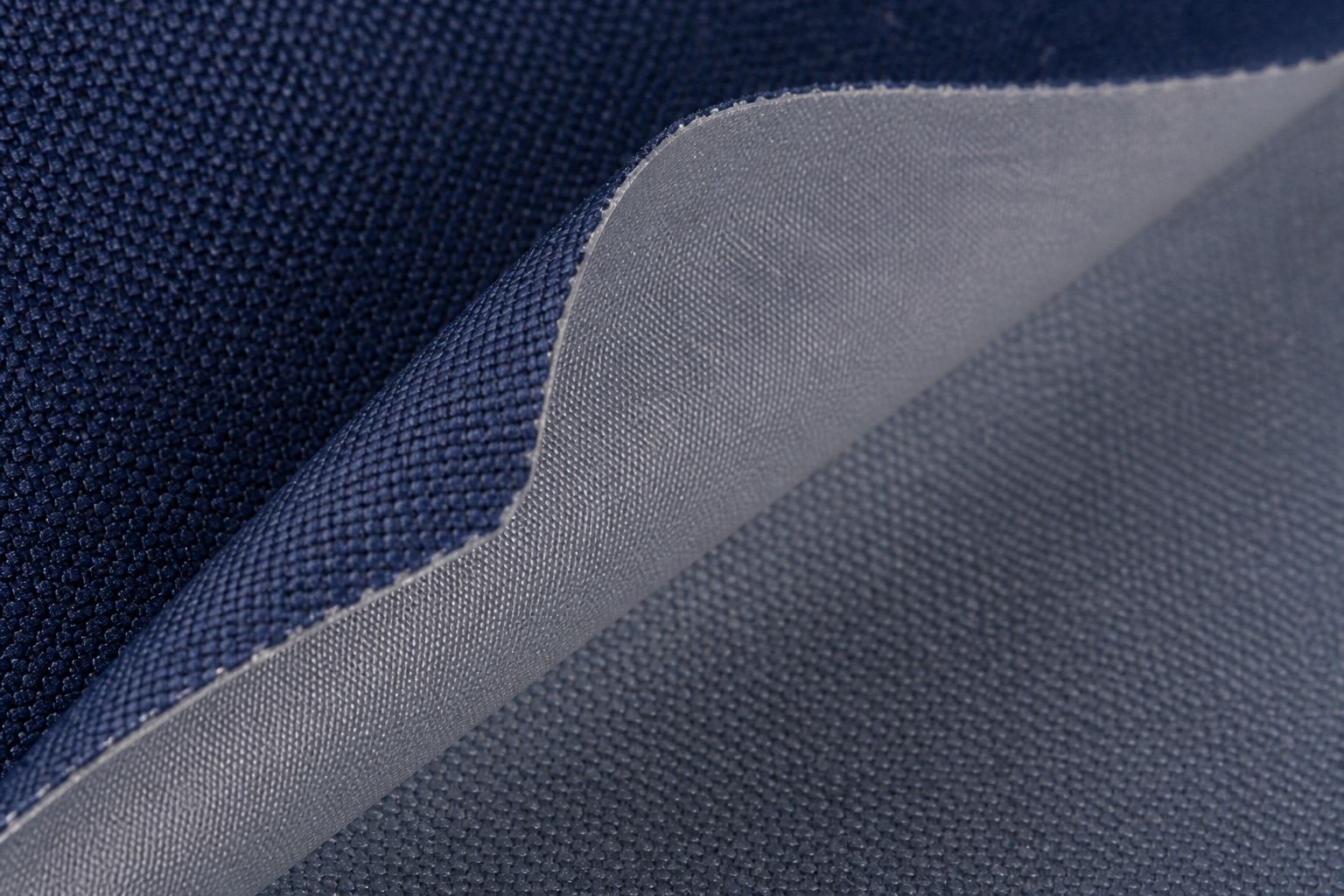
A useful rule of thumb: a finish makes water bead, a coating stops penetration up to its limit, and a truly waterproof product needs coated fabric plus taped seams and tested hydrostatic head. Know which level your product needs before you ask for a quote — and if a number matters to your market, ask the supplier for test data rather than taking a label at face value.
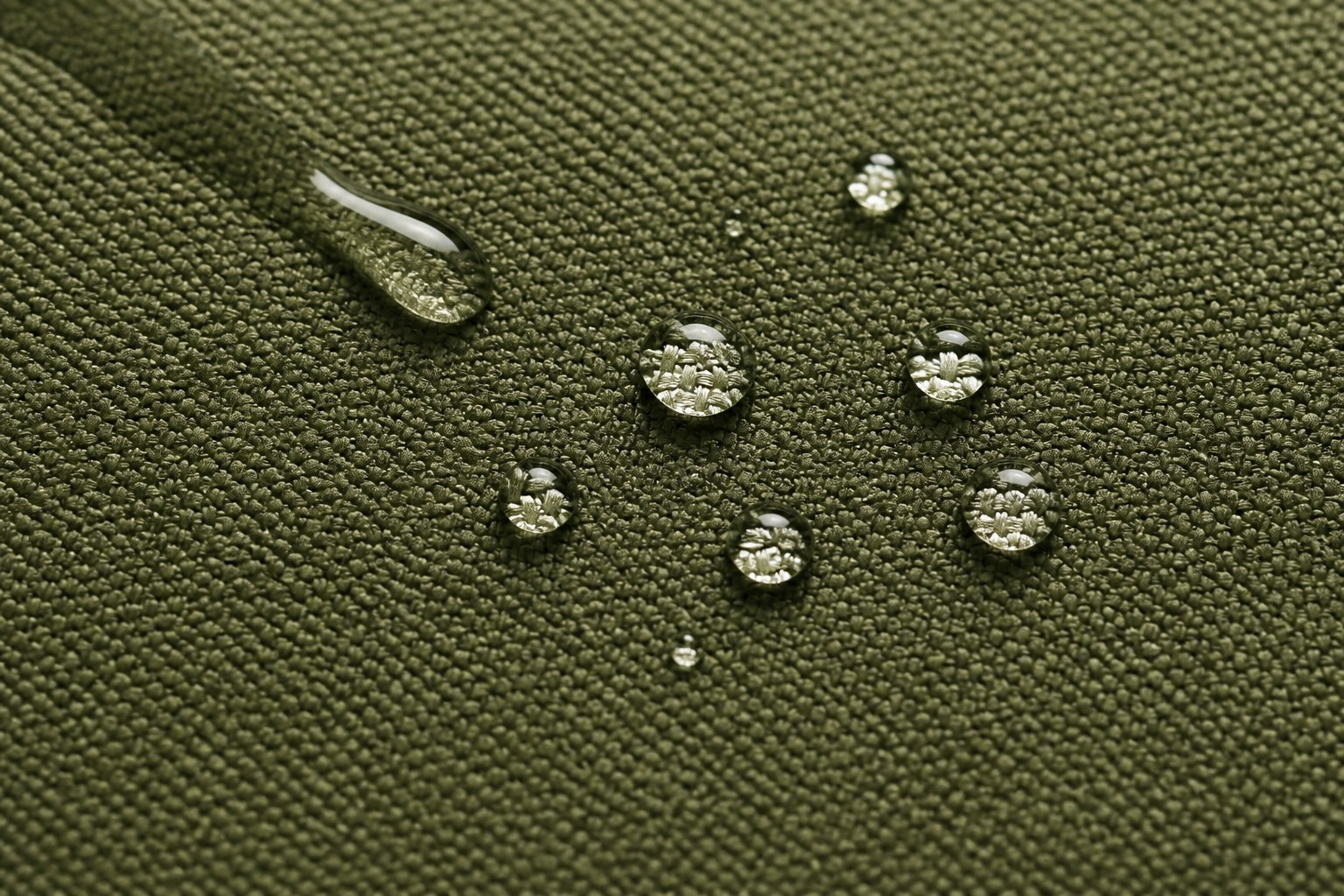
Beyond water, two properties are worth planning for. UV resistance can be improved with stabilizers — polyester already leads here. Flame-retardant (FR) versions of oxford exist for tents and public-use products, typically certified to the buyer's regional standard, such as CPAI-84 in North America or EN 14115 in Europe. If your market requires a certification, confirm the exact standard and request the test reports from your supplier before production — don't assume a fabric is FR-compliant because a coating looks similar.
What Your Fabric Supplier Needs From You
To quote accurately, a supplier needs more than "oxford fabric." The fastest path to a useful quote includes:
- Denier and target weight (gsm)
- Width required for your cutting pattern
- Coating or finish — PU, PA, PVC, water-repellent, or none
- Color and any printing requirements
- Quantity — and your target price
- End use and market — where and how the product will be used
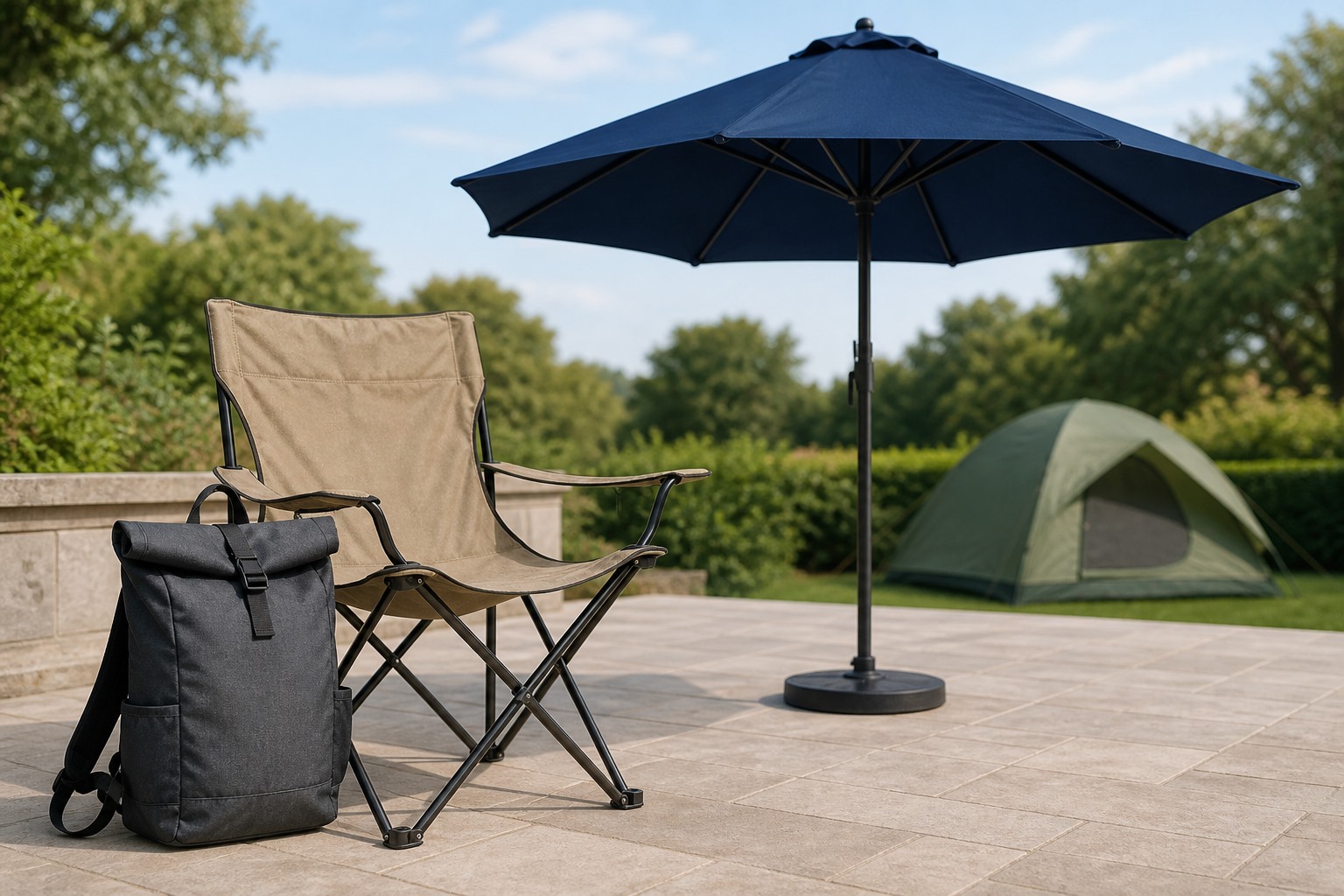
End use matters most. A tent fabric and a bag fabric may share the same denier, but the coating, color and testing they need are completely different. A supplier rooted in a textile cluster like Shengze can usually recommend a sensible starting construction from your end use alone — which is exactly the conversation we like to have.
Why Buyers Source Oxford Fabric from YIMU Textile
YIMU Textile is a fabric supplier based in Shengze Town, Wujiang, Suzhou — one of China's oldest and largest textile production and trading hubs. Founded in 2019, we specialize in polyester and nylon oxford from 300D to 1680D, with PU, PA and PVC coating options across eight product lines: tents, bags, chairs, sofa and seat cushions, umbrellas, covers, and custom development.
Because the mills and finishing plants we work with sit minutes away inside the cluster, sampling is fast and spec matching is practical. Because we're a growing company, we take on the work bigger suppliers often pass on: trial orders, small-to-medium runs, custom colors and coatings. You deal directly with the people handling your order — no ticket queues — and every batch is checked against the approved sample before shipping.
We don't pad our story. You won't find invented client counts or certificates on this site; you'll find a verifiable company registration, an A-level taxpayer credit rating, and straight answers about specs, timing and cost.
Ready to spec oxford fabric for your next product? Send us your application and target spec — we'll come back with construction advice and a clear quote.
Request a Quote