Oxford Fabric Buying Guide 2026: Specify for Performance, Not Just Denier
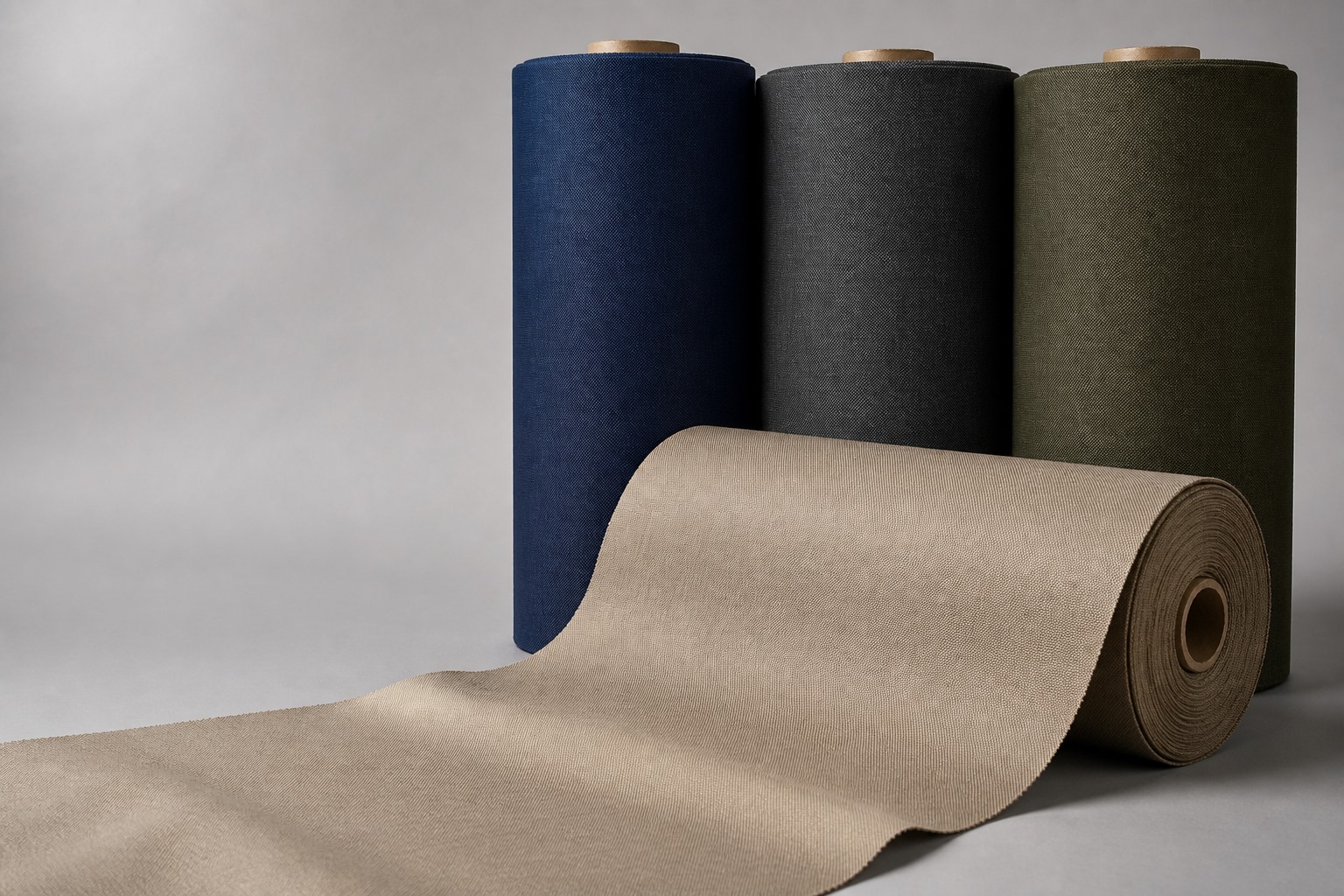
Oxford fabric remains a practical workhorse for bags, outdoor furniture, covers, umbrellas and shelters. In 2026, however, a good buying decision is no longer just about choosing 300D, 600D or 1680D. Buyers need a specification that performs in the intended application, can be checked against a sample and can be explained to customers and compliance teams.
The 2026 signal: performance and proof are moving together
Textile Exchange's Materials Market Report 2025, published in September 2025, reports that global fiber production increased from about 125 million tonnes in 2023 to 132 million tonnes in 2024. Polyester accounted for 59% of global fiber output. Recycled polyester production reached about 9.3 million tonnes in 2024, but its share still slipped to 12% because virgin polyester grew faster. The practical lesson is clear: recycled content is a sourcing input that needs evidence; it does not replace performance testing.
Textile Exchange's 2026 Materials Market Report reports that recycled polyester production increased from around 9.4 million tonnes in 2024 to around 9.7 million tonnes in 2025. That direction makes material traceability increasingly useful when buyers compare suppliers and prepare product documentation.
1. Start with the application, not the denier
Denier describes yarn linear density, but it does not fully describe a finished fabric. Before requesting samples, define the load, abrasion, folding, weather exposure and appearance expected in the product. A backpack, a patio cushion and an equipment cover may all use Oxford fabric, but they do not need the same construction or coating.
- Application and service conditions
- Target denier and finished weight (gsm)
- Required width and cutting yield
- Abrasion, tear, tensile and color-fastness expectations
- Water-repellent or waterproof performance
- Color, printing and hand-feel requirements
2. Match PU, PA or PVC to the job
PU coatings are commonly selected when flexibility and a softer hand are important. PA can be a cost-conscious option with a firmer feel. PVC is suited to heavier, highly weather-resistant covers where stiffness and full barrier performance are acceptable. These are starting points, not universal rules: the coating weight, application side, finish and test method must be stated in the specification.
3. Treat sustainability as a documentation question
The European Commission's 2025–2030 Ecodesign for Sustainable Products working plan lists textiles among priority product groups. Requirements and market expectations will continue to develop. For that reason, avoid broad claims such as sustainable or eco-friendly without defining the fiber source, recycled input, certification, chain-of-custody evidence and test scope behind the claim.
- Ask which fiber and recycled-content claims can be documented
- Keep the approved swatch and specification together
- Record the relevant test method and result
- Confirm production tolerances before bulk ordering
- Store compliance documents with the purchase file
4. Five questions to ask before a trial order
- Which construction and coating do you recommend for my application, and why?
- What are the tested values for water resistance, color fastness and abrasion?
- Can you provide a traceable sample and confirm production tolerance?
- What are the MOQ, sample lead time and bulk lead time for this exact specification?
- Which documents can you provide for my market and customer requirements?
Conclusion: build a repeatable material solution
The strongest Oxford fabric sourcing process connects end use, construction, coating, testing and documentation. If you are developing bags, covers, outdoor furniture, umbrellas or shelters, send your application, target denier, weight, width and coating preference. YIMU Textile can recommend a starting construction, coordinate sampling and help turn the approved sample into a production-ready specification.
Send your target use and fabric specification to start a practical recommendation.
Request a Fabric Quote